
Liam· age 10
Positive Behavior Support Plan
Step 1 of 5 · What was happening
Becomes upset during transitions (crying, refusing to move, throwing objects).
What was happening
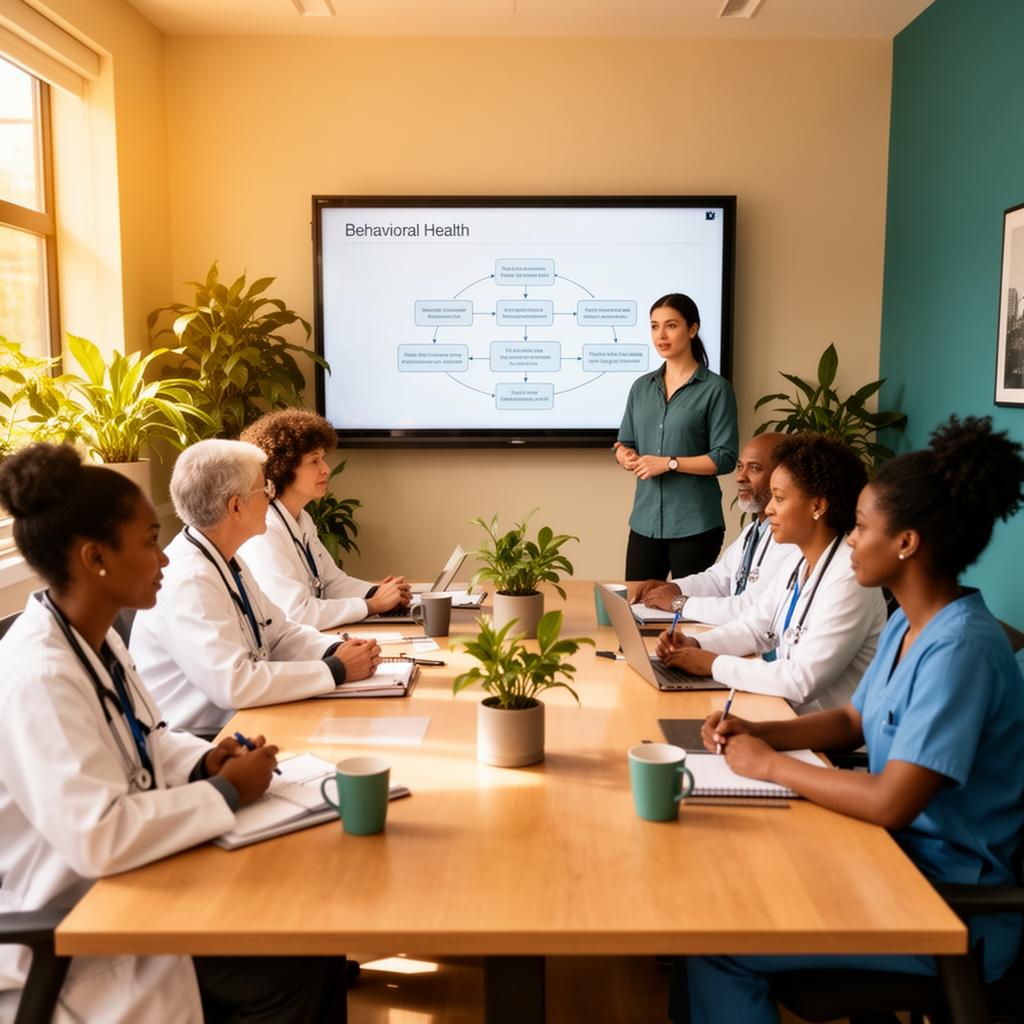
Treatment approaches, positive behavior supports, and outcomes across systems serving IDD/A and SUD.
A person- and family-driven framework for imagining a good life, planning across every domain and life stage, and connecting the full range of supports — the operating system for person-centered practice at the IDD/A + SUD intersection.
Charting the LifeCourse (CtLC) is a person- and family-driven framework developed by the UMKC Institute for Human Development. It helps people with IDD/A and their families imagine a good life, plan across every life domain and life stage, and connect the full range of supports — not just paid services — to make that life real. It is the operating system underneath person-centered practice at the IDD/A + SUD intersection.
Use these as a quick gut-check on any plan, meeting, or treatment decision.
A good life isn't just housing and a day program. Tap each domain for what good support looks like at the IDD/A + SUD intersection.
Today's decisions are shaped by what came before — and shape what comes next. Click a stage to see the focus.
Employment exploration, post-secondary, healthy relationships, SUD prevention.
Each tool can be used on its own, or together as a living LifeCourse Portfolio that the person and family own.
Click each shift to see how it shows up in day-to-day practice.
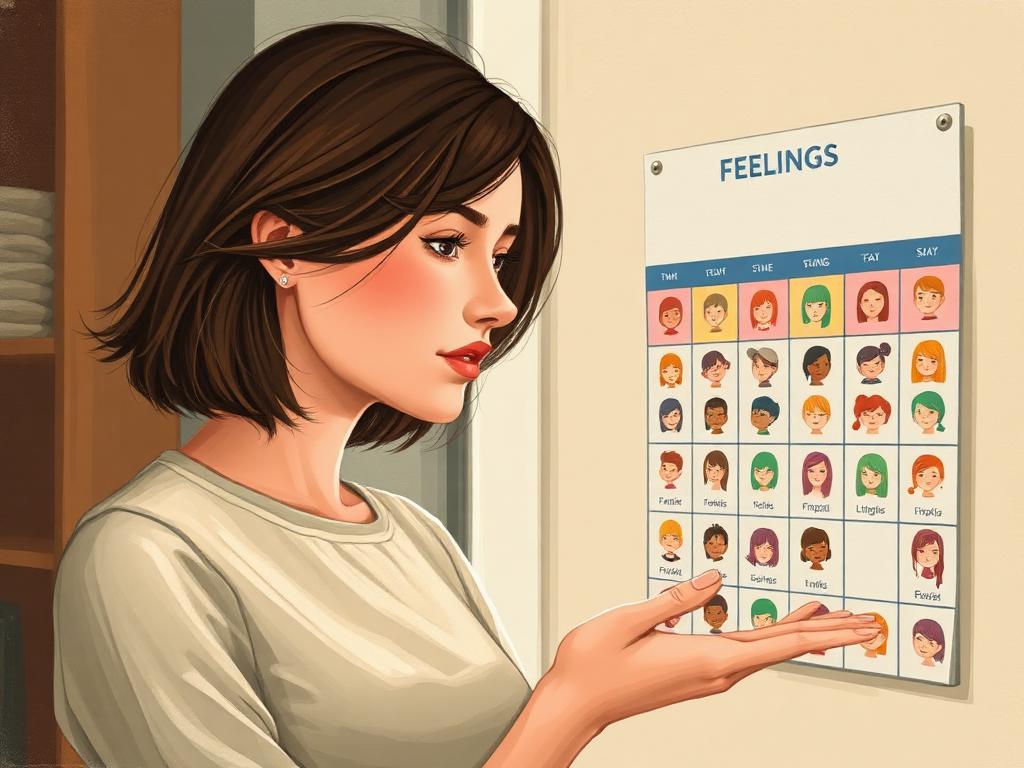
🔑 Effective communication is foundational for preventing and reducing challenging behavior (demanding, avoidance, attention seeking). Supports must align with a person's expressive and receptive language abilities.
Three everyday moves that lower the temperature of any interaction. Try the scenarios first, then open a card for the full breakdown.
Monday morning. Maya arrives at the day program looking tired and avoids eye contact.
What's the best opening?
Three strategies for harder conversations — overwhelm, self-judgment, refusal. Click to see the scripted dialogue and what makes it work.
Four people, four different functions of behavior. Click a card to see the plan and the outcome.
Becomes upset during transitions (crying, refusing to move, throwing objects).

Cries or hits when she wants snacks or drinks but can't express needs.
Became physically aggressive during group activities.

Stopped attending his vocational program regularly. Felt ignored during break times.
A. Fragmented Funding and Eligibility ▼
Four barriers show up again and again when IDD/A, SUD, mental health, housing, and justice systems try to work together. Open a card to see how each barrier looks in practice, what shifts help, and a quick scenario to test your eye.
No single system can hold the whole person. A responsive system is woven from many partners — each with a clear role and a habit of collaboration. Tap any system to see what it brings, then try the exercise below to assemble the right team for a real scenario.
Luis is being discharged from the hospital tomorrow. He has an intellectual disability and stimulant use disorder, and lives alone. Which systems should be at the discharge huddle?
Six principles anchor coordinated care across IDD/A, SUD, and mental health systems. Tap any principle to see what it looks like in real practice.
Sustainable collaboration is not a one-time initiative. Tap any element to see what it looks like in practice and why it matters.
A responsive system is built every day — in policy, in supervision, in how risk is understood, and in how systems collaborate.